
Explore the top technology trends in 2026. Learn how AI, hybrid work, data skills, and automation will affect your job and what you should do today.
AI- foundation for future growth.
Your career is no longer shaped only by your degree or job title. It is shaped by how fast you adapt. Technology trends in 2026 will not wait for you to catch up. It will move ahead, and you will either grow with it or feel left behind.
AI becomes the backbone of the digital economy, shifting from isolated proofs of concept to coherent, adaptive, and trusted value systems. The transformation demands not just technology, but governance and cultural readiness to embed AI into the very fabric of enterprise decision-making.
In the era of the AI business environment, understanding emerging technologies is essential for future planning. This article breaks down the most important technology trends in 2026, and how AI in the workplace will influence how you work, earn, and learn. You will also find practical steps you can apply right away.

The Rise of AI Systems and Agents
Artificial intelligence will become your daily work partner
AI is no longer limited to tech companies. In 2024, over 70 percent of global businesses reported using AI in at least one department, according to McKinsey. This includes HR, marketing, finance, and customer support.
You will see AI tools handling routine tasks, such as writing emails, analyzing data, and summarizing meetings. This means your value will not come from repetition. It will come from thinking, planning, and decision-making.
Action steps for you:
- Learn one AI tool related to your field. For example, marketers can explore ChatGPT or Jasper. Finance professionals can learn Power BI with AI features.
- Practice writing better prompts. Clear instructions lead to better output.
- Focus on skills AI struggles with, such as emotional intelligence, leadership, and negotiation.

McKinsey Global AI Survey
https://www.mckinsey.com/capabilities/quantumblack/our-insights
Hybrid work will become the standard, not the exception
By 2026, most professionals will not work fully from home or fully from an office. They will work in a blended model. A 2023 Gartner report showed that 39 percent of global knowledge workers already follow hybrid schedules. This number keeps rising.
This shift changes how you build your career. Visibility will no longer depend on who stays late in the office. It will depend on how clearly you communicate and deliver results.
Action steps for you:
- Improve your written communication. Clear messages matter more than long meetings.
- Learn async tools like Notion, Slack, and ClickUp. These platforms shape modern teamwork.
- Build a personal brand online through LinkedIn or a simple portfolio website.

Gartner Future of Work Report
https://www.gartner.com/en/human-resources/topics/future-of-work
Cybersecurity awareness will become a basic career skill
Cybercrime is rising. In 2023, global cybercrime losses crossed 8 trillion dollars, according to Cybersecurity Ventures. This affects hospitals, banks, schools, and small businesses.
You do not need to become a cybersecurity expert. You need to become cyber-aware. Employers value professionals who protect data, follow safe practices, and understand digital risks.
Action steps for you:
- Use strong passwords and a password manager.
- Learn about phishing and social engineering. Many attacks start with fake emails.
- Take a basic online course on digital safety. Coursera and Google offer free modules.

Cybersecurity Ventures Report
https://cybersecurityventures.com
Data literacy will matter in every profession
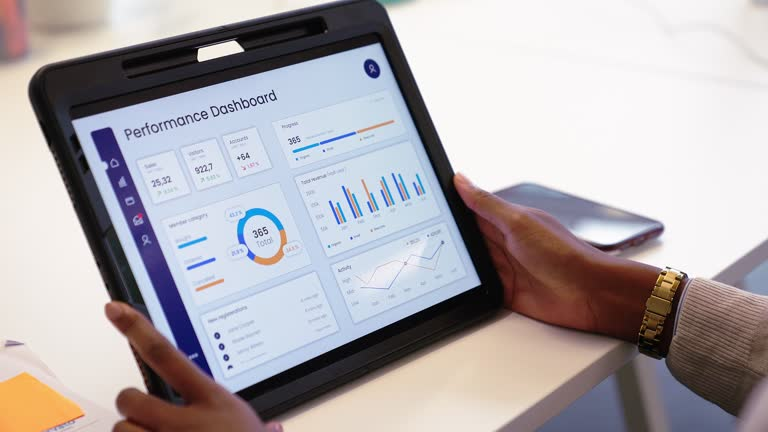
Data is no longer limited to analysts. Teachers track student performance. Doctors review patient trends. Business owners study customer behavior. If you understand data, you make better choices.
The World Economic Forum lists data literacy as one of the top future skills. This does not mean complex math. It involves reading charts, identifying patterns, and asking insightful questions.
Action steps for you:
- Learn basic Excel or Google Sheets functions.
- Practice reading charts and dashboards.
- Ask what the data means before acting on it.
World Economic Forum Future of Jobs
https://www.weforum.org/reports
Digital healthcare tools will reshape medical and wellness careers
Telemedicine, wearable health trackers, and AI diagnostics are becoming common. In India, teleconsultations increased by over 300 percent after 2020. This trend continues.
If you work in healthcare, wellness, or fitness, digital skills will shape your relevance. Patients expect online appointments, digital records, and faster responses.
Action steps for you:
- Learn how telemedicine platforms work.
- Understand digital patient privacy rules.
- Explore wearable data interpretation if you work in wellness.

WHO Digital Health Overview
https://www.who.int/health-topics/digital-health
Learning will become continuous, not limited to degrees
A single degree will not last you 30 years. Skills expire faster. The average tech skill now stays relevant for about five years, according to IBM research.
This means you will always be a learner. Micro-courses, bootcamps, and certifications will matter more than long academic programs.
Action steps for you:
- Block one hour per week for learning.
- Follow industry newsletters and YouTube educators.
- Build projects, not only certificates.

IBM Skills Report
https://www.ibm.com/thought-leadership/institute-business-value
Automation will reshape jobs, not remove ambition
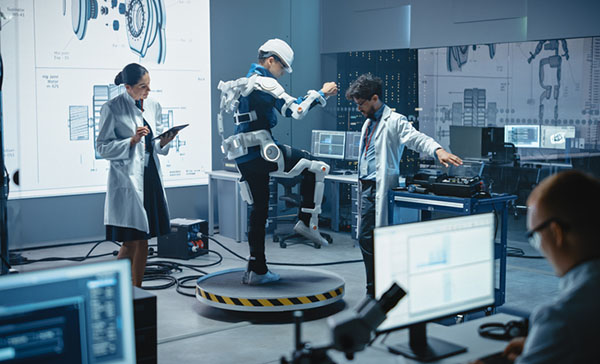
Many fear automation. The truth is simpler. Tasks will change. Roles will evolve. According to the World Economic Forum, 97 million new roles will emerge by 2025 due to automation and AI.
You will need to shift from task-based thinking to value-based thinking. Ask what problems you solve, not what tasks you perform.
Action steps for you:
- Write down your job tasks. Identify which software can handle.
- Focus on problem-solving, strategy, and human interaction.
- Volunteer for projects that involve planning and decision-making.
Personal branding will shape your opportunities
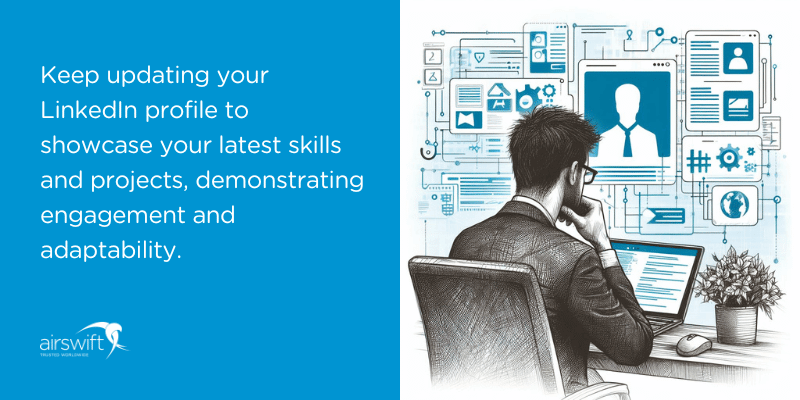
Your online presence will matter as much as your resume. Recruiters already search candidates on LinkedIn, Google, and professional platforms.
Your brand is what people say about you when you are not in the room. In 2026, it will influence job offers, speaking invites, and partnerships.
Action steps for you:
- Update your LinkedIn profile with real achievements.
- Share insights from your work or learning.
- Create a simple portfolio site using tools like Carrd or Wix.
Conclusion:
The future of your career is not written by technology alone. It is written by how you respond to it. You do not need to master everything at once. You need awareness, consistency, and the courage to learn.
The most significant technology trends for careers in 2026 include the adoption of AI, hybrid work models, data literacy, cybersecurity awareness, automation, and continuous learning.
Start with one trend. Build one skill. Take one step this week. Your future self will thank you.
Contact us for more informative articles. Leave your comment below for any suggestions.
FREQUENTLY ASKED QUESTION
1. What skills will matter most in 2026?
AI tool knowledge, data understanding, communication, digital safety, and problem-solving will be critical.
2. Will AI replace jobs?
AI will change tasks. New roles will continue to appear.
3. How should I prepare?
You should build digital skills, keep learning, and focus on human-centered strength.
4. What are the key technical skills in demand for 2026?
AI and Machine Learning, Data Science and Analytics, Cloud Computing, DevOps, Cyber Security.
5. What are the technology trends in 2026?
2026 is a year of AI-driven investment and growth in the tech sector, both directly and indirectly.. Proliferation will draw from companies scaling their business with AI, shifting away from stacking AI on top of legacy processes and moving toward new development with full AI integration.
6. How can I prepare my career for these changes?
Embrace continuous learning, focus on hybrid skill sets.
7. How is software development?
AI is not just a tool; it is becoming the architect. In 2026, developers will express intent and specify outcomes while AI generates and maintains components, accelerating delivery cycles and improving quality. However, governance and oversight remain critical to prevent errors and ensure trust. This shift demands reskilling toward systems thinking and AI orchestration.
8. Why is 2026 called the “ Year of Truth AI”?
After years of fragmented pilots and inflated expectations, 2026 marks the shift from proof-of-concept to proof-of-impact. Organizations will invest in robust data foundations and “Human AI Chemistry” to ensure AI delivers measurable outcomes at scale. This is the year AI becomes a backbone of enterprise architecture rather than isolated experiments.